
News
First practical application of viscous electron flow realizes terahertz photoconductivity in graphene
Researchers at the National University of Singapore have made a significant breakthrough in the use of graphene for detecting terahertz (THz) radiation. They developed a practical application of viscous electron flow, allowing graphene to thermally decouple electrons from the lattice, enhancing its photoconductivity. This advancement could lead to high-speed detectors for THz waves, which have applications in wireless communication, navigation systems, and medical imaging.

Launches
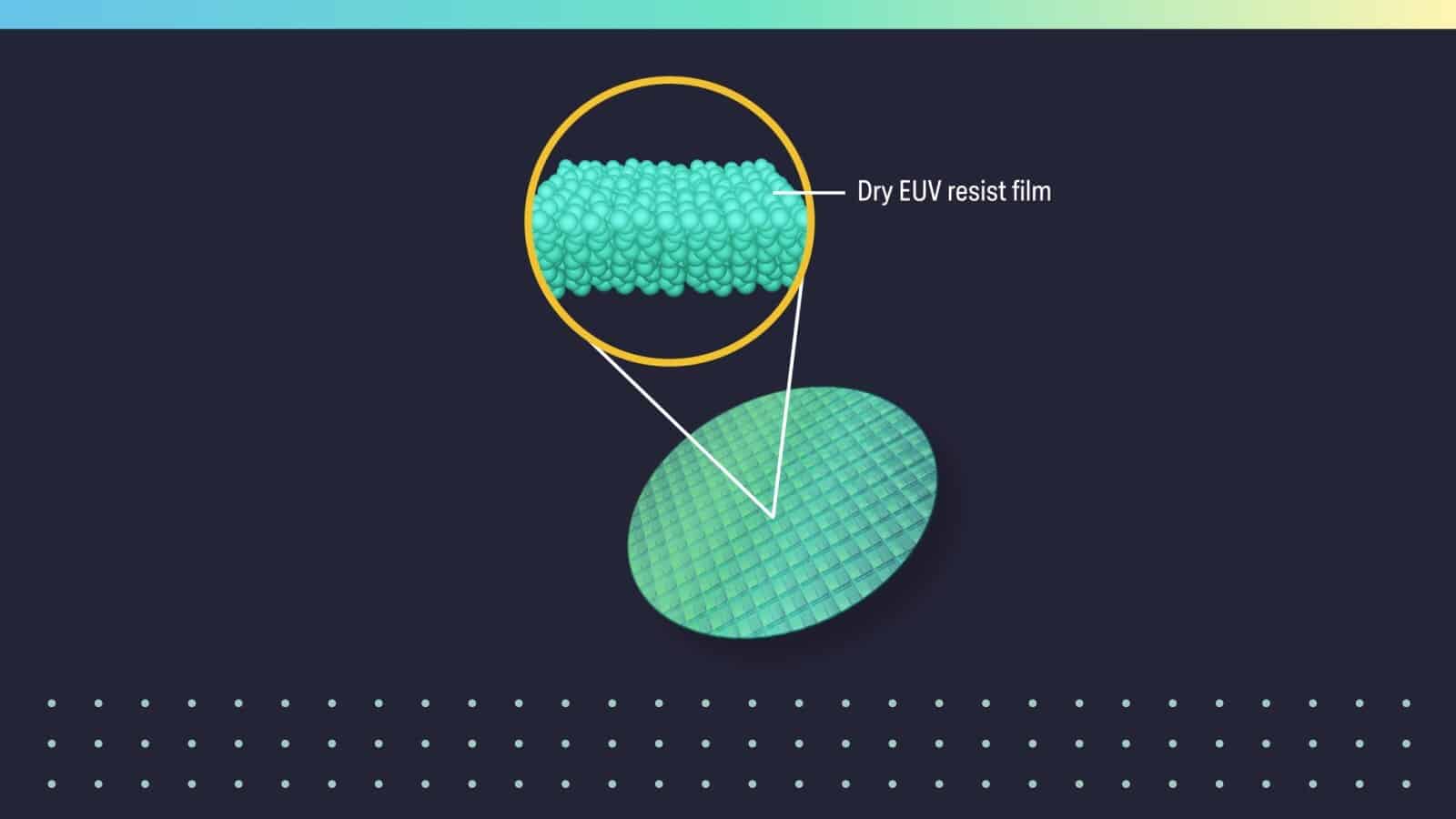
Breakthrough EUV Dry Photoresist Technology from Lam Research Adopted by Leading Memory Manufacturer
Lam Research has introduced Aether, its dry photoresist technology, adopted by a major memory manufacturer for advanced DRAM processes. This innovative technology extends the resolution and productivity of EUV lithography, addressing the challenges of fine DRAM designs with lower defectivity and enhanced precision. Aether offers sustainability benefits by consuming less energy and fewer chemicals than traditional wet processes.
Charts
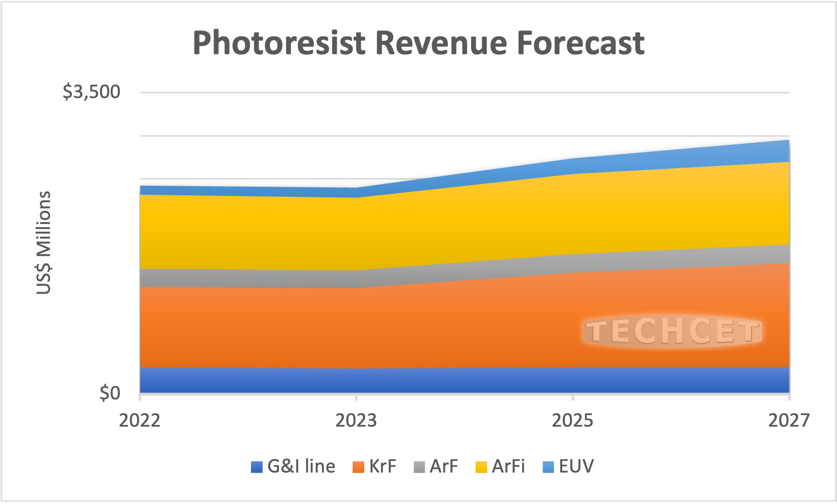
2024 Photoresist Market Forecasted to Rise
According to TECHCET, the photoresist market is expected to rebound in 2024, with a projected growth of 7% to reach $2.57 billion. This rise follows a slight downturn in 2023, with continued demand for EUV and KrF products expected as companies like Samsung and TSMC shift towards advanced technologies. The market’s long-term outlook remains strong, driven by expanding semiconductor manufacturing capabilities.
Research
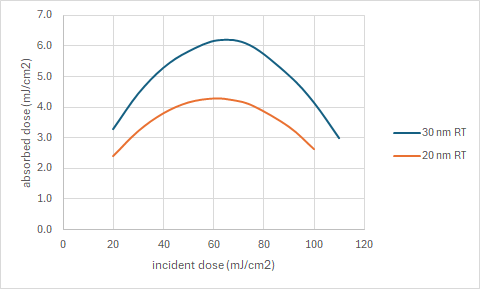
Resist Loss Model for the EUV Stochastic Defectivity Cliffs
Recent research highlights the impact of stochastic defects in EUV lithography, particularly around dose ‘cliffs’ that significantly affect defect density. The study identifies an optimal incident dose range that minimizes the risk of defects, emphasizing the need for precise control in resist thickness and exposure to improve yield. This work has implications for the development of next-generation EUV resists.
Insight
CEO Interview with Matthew Stephens of Impact Nano
Matthew Stephens, CEO of Impact Nano, discusses the company’s focus on advanced materials for semiconductor manufacturing, especially EUV photoresists. He highlights the challenges of materials innovation and the importance of reliable supply chains in the semiconductor industry. Impact Nano aims to address these challenges through sustainable practices and tailored solutions for chip manufacturers.

Stay tuned for more updates and insights in the semiconductor industry as we continue to bring you the latest innovations and breakthroughs!