
News
AI Startup Esperanto Winds Down Silicon Business
The AI chip startup Esperanto has announced the winding down of its silicon business, seeking buyers or licensing for its technology. CEO Art Swift cited fierce competition for talent and resources as a key reason for the closure. Despite a strong initial pipeline, the company struggled to sell its energy-efficient RISC-V chips amidst a market that prioritized other attributes. The company’s future roadmap included advanced chips that are now uncertain.

Launches
AI Cloud Infrastructure Gets Faster and Greener: NPU Core Improves Inference Performance by Over 60%
Researchers from KAIST have developed a new NPU core technology that enhances the performance of generative AI models while significantly reducing power consumption. This advancement allows AI cloud infrastructures to operate more efficiently, addressing the growing demands of AI applications like ChatGPT. The new design integrates quantization techniques for memory optimization, promising a transformative impact on AI cloud services.

Charts
DAC 2025: Towards Multi-Agent Systems
At the recent DAC conference, advancements in multi-agent systems for EDA workflows were discussed. These systems improve the efficiency and effectiveness of chip design processes, showcasing a significant trend towards automation in the semiconductor industry. The discussions highlighted the need for integrating human oversight with advanced AI-driven design tools, which could reshape how semiconductor companies approach development.

Research
NVIDIA GPU Confidential Computing: Threat Model and Security Insights
A new paper from IBM Research delves into NVIDIA’s GPU Confidential Computing, outlining its architecture and potential security vulnerabilities. The research emphasizes the importance of transparency in proprietary systems and explores how GPUs can securely process sensitive AI workloads. This work has significant implications for security in AI applications, crucial for the semiconductor landscape.

Insight
Intel High NA Adoption
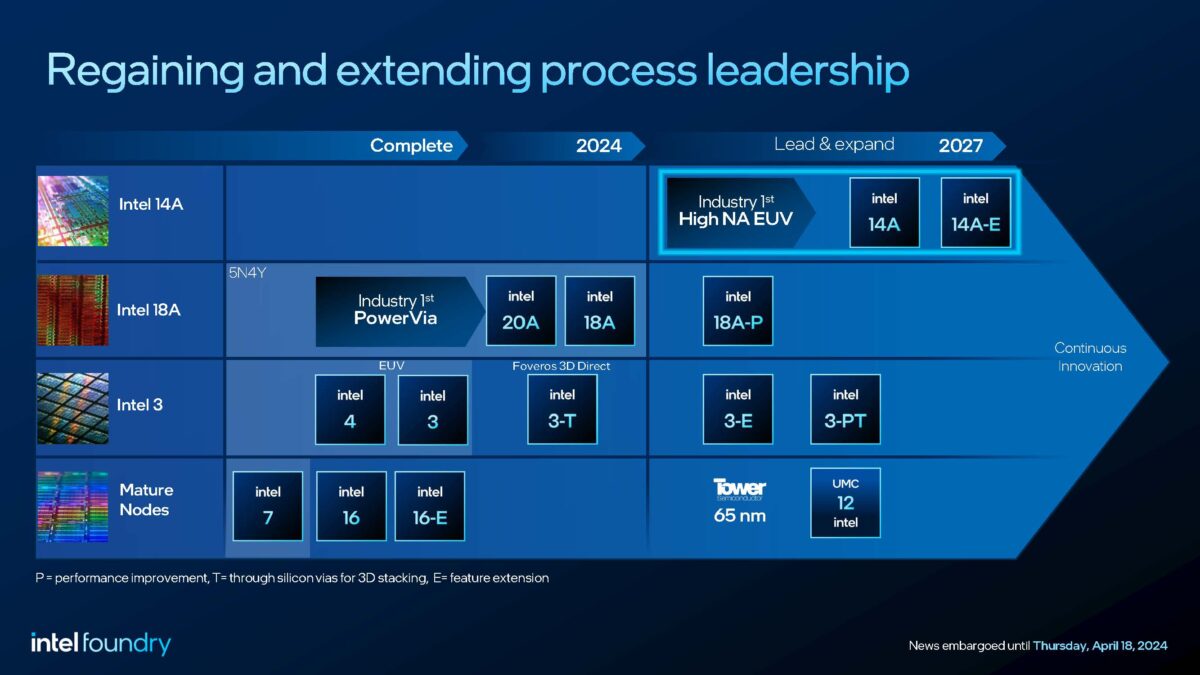
Intel’s adoption of High NA EUV technology marks a pivotal shift in semiconductor manufacturing capabilities. This move is set to enhance their process densities and simplify production workflows, with the first High NA tool already integrated into their Oregon fab. The insights from Intel’s strategy reflect broader trends in the industry as companies strive for technological advancements amid increasing competition.
Stay tuned with us for the latest news and insights from the semiconductor industry as we continue to track these transformative developments.